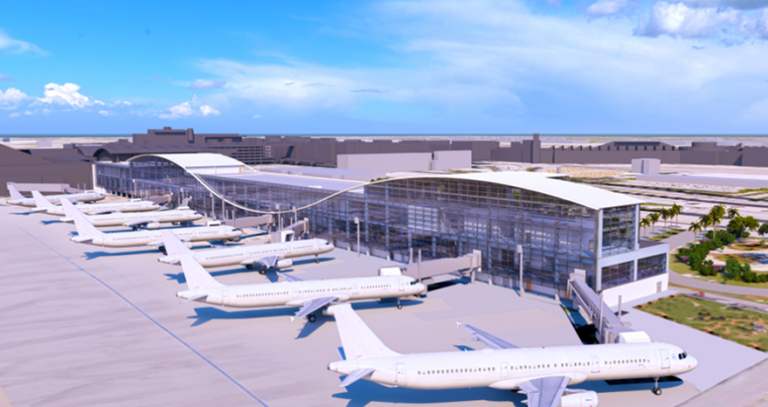
Gulf Airports Unveil Visionary Expansion & Modernization Plans
Gulf region, It’s become quite hub connecting East and West for global aviation. Lately, places such as UAE, Saudi Arabia, Qatar, Oman and Bahrain started big airport projects. Rapid growth in air travel tourism and trade drives these ambitious developments I think. With billions of dollars invested in cutting-edge infrastructure, sustainability, and passenger experience, Gulf airports are redefining the future of global air travel.
1. UAE: Expansion for Global Excellence
Dubai and Abu Dhabi host two region’s busiest airports so UAE still leads Gulf aviation.
Dubai Airport is really big and busy; big upgrades should help handle more travelers. Airport saw over 86 million before pandemic and should beat 2020 traffic by 2025, I reckon. Dubai Airports are putting a lot toward fixing up runways, upgrading check-ins so they’re smarter, plus making security clearances automatic.
Dubai South’s Al Maktoum International Airport? It is a pretty major aviation development worldwide. Down the road it should handle maybe 260 million passengers a year. Once done expect five runways alongside better cargo spots plus transport access joining Dubai metro with key logistics areas.
Abu Dhabi just hit a huge milestone, opening Zayed International Airport aka new Midfield Terminal. This futuristic terminal covers 742000 square meters; people estimate around 45 million passengers annually and it might feature advanced biometric immigration plus energy-smart designs retail outlets too. Abu Dhabi hopes its terminal helps grow its capital into a global business and tourist hub and might work well with Etihad Airways expansion too.
2. Saudi Arabia: Ambitious Vision Under Vision 2030
Saudi Arabia expands its airports, and diversifying economy plus boosting tourism forms part of aggressive Vision 2030. Kingdom plans improvements at over 25 airports aiming for 330 million passengers around 2030.
Riyadh’s King Salman International Airport? It’s quite a project: six runways, maybe 120 million passengers a year by 2030, perhaps 185 million later on. Airport should turn into good Riyadh Air base Kingdom’s new carrier I think.
Jeddah’s King Abdulaziz International Airport wow, it’s not same, what with modern terminals plus expansion to better handle Hajj and Umrah pilgrims. Also underway, NEOM Airport and Red Sea International Airport in Saudi Arabia support luxury tourism.
Expansions support Saudi Arabia’s aim: a major tourism hub drawing millions yearly.
3. Qatar: Hamad International Airport’s Global Growth
Doha’s Hamad International Airport remains impressive, a modern, luxurious global hub. After expanding in 2022 before the FIFA World Cup, HIA can now handle over 60 million passengers per year exceeding prior capacity.
Think it’ll boast a fantastic indoor garden they call “The Orchard” plus some new lounges and shops loaded with global brands. Plus airport adding energy systems water recycling solar panels too.
Given Qatar Airways’ consistent network expansion, its home base now holds immense significance. Phase two and its development would possibly boost capacity up towards 70 million positioning Qatar among global hubs perhaps for decades ahead.
4. Oman and Bahrain: Enhancing Regional Connectivity
Oman put a lot into expanding Muscat Airport now able to handle up to 20 million a year. New airport’s got automated baggage, plus smart boarding and touches of green design. Airport cargo handling got upgrades too supporting Oman ambition become logistics center for South Asia plus East Africa.
Bahrain International Airport wrapped up expansion back in 2021 showing off a new passenger terminal boosting capacity to 14 million people a year perhaps. It’s got cool eco-friendly stuff, big lounges, top security so Bahrain feels ready to fly with best Gulf airports.
5. Emphasis on Sustainability and Technology
Gulf airport expansions? Looks like sustainability and smart tech are major themes. To cut emissions, new terminals use LEED designs renewable power and digital smarts. Think maybe biometric check-ins plus AI baggage helps security and it’s more efficient.
You know, there’s investment in green mobility too such electric vehicles plus solar power all geared towards net-zero goals by 2050.
6. The Future of Gulf Aviation
- With continued investment and innovation, the Gulf is poised to keep its topmost status in global aviation. This region, because of its strategic location, connects Asia, Africa, and Europe in a way no other place can match. Tourism rebounds, and with new airlines such as Riyadh Air, the expanded airport infrastructure will facilitate economic diversification, jobs, and trade growth.