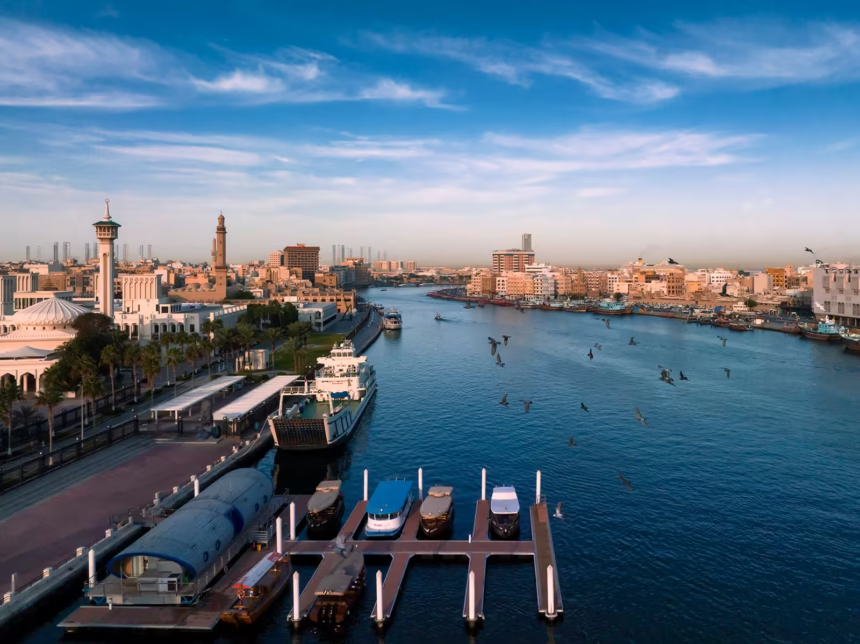
Dubai Creek, or Al Khor, once transformed a small fishing village into a bustling port. Dubai Creek, Its past mingles right next to what’s up now; think wind towers close alongside bustling markets, a heritage walk and modern skyline views. For visitors planning an authentic Creek-side heritage tour, Here’s what they need.
Why Dubai Creek matters
Dubai Creek became city’s trading artery from 1700s onward. Boats, maybe from Persia or even East Africa, brought spices to trade; economy grew around markets they made. Wooden abras, Creek’s old boats, offer cheap way to cross between Deira plus Bur Dubai and a scenic peek at maritime past.
What to see & do (must-visit stops)
1. Al Fahidi Historical Neighbourhood (Al Bastakiya)
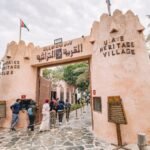
A restored quarter of narrow lanes, wind towers (barjeel) and art-filled courtyards, Al Fahidi preserves late-19th to early-20th century architecture and the Persian merchant influence. Wander the alleys, visit tiny galleries, sip karak in a cafe and photograph the wind towers that served as an early form of cooling. This area is the best place to feel how Dubai looked before the skyscrapers. (Visit Dubai)
2. Al Fahidi Fort & Dubai Museum
The fort (Al Fahidi Fort) houses the Dubai Museum, which opened in 1971 and presents life in the UAE before oil — traditional houses, pearl-diving displays, and trade scenes. Allocate at least 1–1.5 hours to move through the exhibits.
3. Al Seef Heritage Promenade
Al Seef, a modern refresh celebrating Dubai Creek’s past, mixes old with new shops, cafes, and waterfront paths—perfect for chilled strolls, creek pics, and tasty local snacks. The project was planned to reconnect the city to its Creekside heritage
4. Abra ride across the Creek
Guess no heritage tour feels quite right if you skip that quick abra ride; takes like ten minutes. For generations abras ferried people across Creek now still operating frequently routes short nominal fare. The experience is both a practical crossing and a charming historical touchpoint.
5. Dhow cruise on Dubai Creek
For evening ambience, many operators run dinner dhow cruises — slow trips past illuminated souks, bridges and heritage districts with buffet dinner and sometimes cultural shows (Tanoura/dance). Prices and durations vary by operator and package.
6. The Souks (Gold, Spice, Perfume)
On the Deira side, the Gold Souk and Spice Souk remain active markets where bargaining, colours and scents tell the Creek’s trade story. A guided walk helps you learn which spices and pearls tell which stories.
7. Sheikh Mohammed Centre for Cultural Understanding (SMCCU)
Located near Al Fahidi, SMCCU hosts cultural programmes, traditional meals and Q&A sessions that help visitors understand local customs and etiquette — ideal for respectful cultural immersion.
Suggested 1-Day Dubai Creek Heritage Itinerary (easy to follow)
Morning
- 8:30 AM — Start at Al Fahidi Historical Neighbourhood: explore wind towers, photo walk, galleries & a light breakfast at a courtyard cafe.
- 10:30 AM — Visit Al Fahidi Fort & Dubai Museum (1–1.5 hrs).
Midday
- 12:00 PM — Walk to Al Seef. Stroll the promenade, check heritage displays and have lunch with Creek views.
Afternoon
- 2:00 PM — Abra ride across to Deira (quick, scenic, cheap). Spend time exploring the Spice Souk and Gold Souk
Evening
- 6:30 PM — Return and board a Creek dhow dinner cruise (optional) to see the Creek lit up and enjoy an Emirati/International buffet. Book ahead for weekends.
Practical visitor information & tips
Timings & tickets
- Dubai Museum (Al Fahidi Fort): check current opening hours online before visiting; typical public info lists daytime hours and a small entrance fee. Booking requirements may change for special events.
- Abra fares: public abrashave a nominal fare (often AED 1 for short crossings) — confirm locally. Abras run frequently from early morning until late evening.
- Dhow cruises: duration usually 1.5–3 hours; packages include dinner and entertainment — prices vary by operator and season. Booking online often lets you compare menus and pick-up options.
Getting there
- Al Fahidi is in Bur Dubai and well connected by taxi and public transport (metro close to nearby stops). Parking is available around the heritage zone but can be limited at peak times.
Best time to visit
- November–March (pleasant temperatures). Early mornings or late afternoons are best for photography and walking; evenings for the dhow cruise and lit-up Creek ambience.
Dress & etiquette
Respect local customs: Dress modestly when visiting mosques or cultural centres (shoulders and knees covered). Ask before photographing people, especially in traditional settings.
Read More About Gulf Airline Offers 2025